The offer is a number, not a fraction
Every listing describes the arrangement the same way, and so does the platform: the first two episodes are free. That is accurate and it is also incomplete, because a count only means something next to a total.
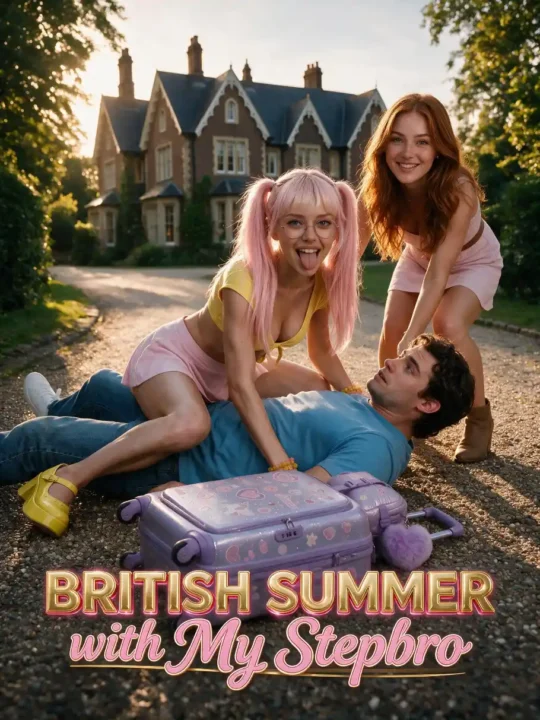
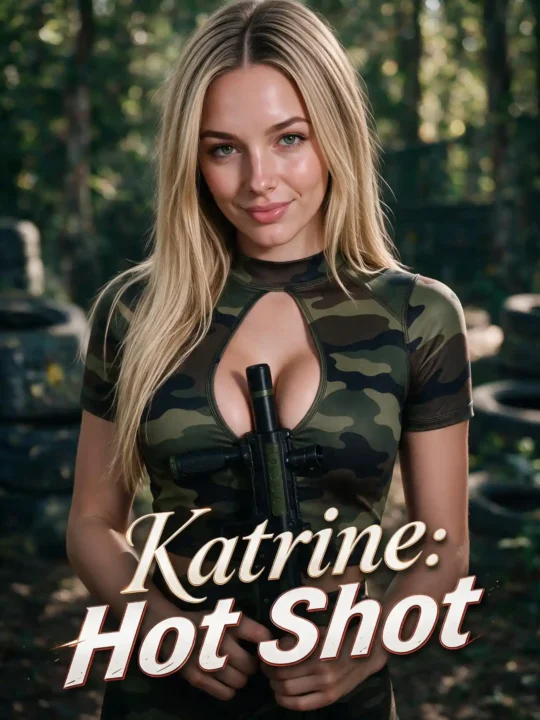
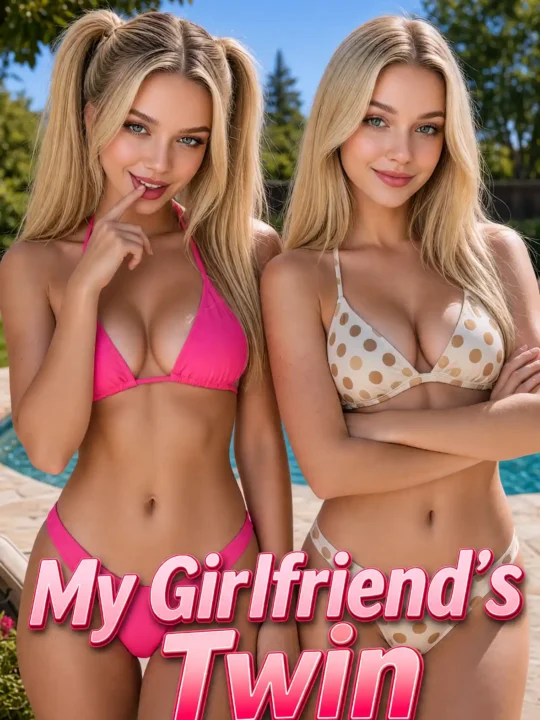
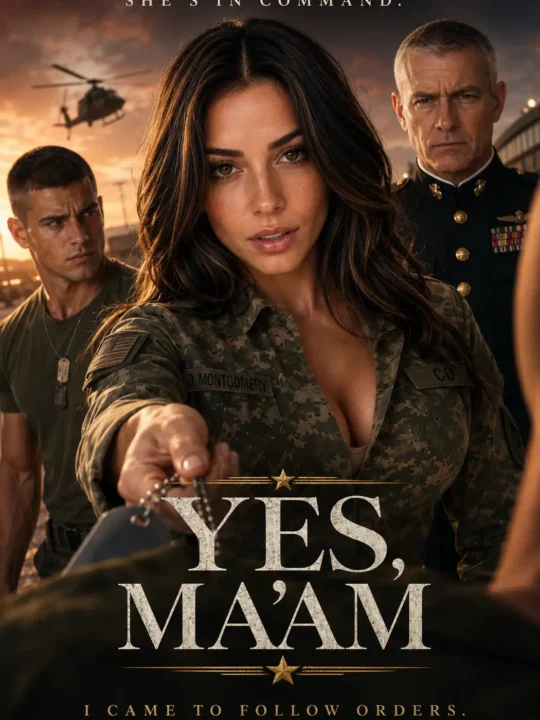
Two out of five is a generous sample by the standards of anything sold in instalments. Two out of fifteen is a trailer. Both are described with the identical phrase, sit under identical cover art, and cost the identical nothing.
We counted the episodes on all seventy-five titles for exactly this reason. The number is on every series page here, next to the share it works out to.
The three shapes currently in the catalogue
Seventy-three series run to five episodes. Two free out of five is forty per cent, and finishing costs thirty-six tokens at the ordinary rate of twelve an episode.
One series runs to nine. Two free out of nine is twenty-two per cent, and finishing costs eighty-four.
One series runs to fifteen. Two free out of fifteen is thirteen per cent, and finishing costs a hundred and fifty-six. It is simultaneously the least you can see before deciding and the most the decision costs.
That inverse relationship is the single most useful thing on this page. The longer the run, the smaller the sample and the larger the commitment.
What the free part is for
It is not a cut-down demo. What opens for nothing is the real first two episodes of the real series, complete, and they are written to work as drama.
They are also written to show nothing explicit, and that holds everywhere. So the sample tells you two things with confidence: whether the premise pulls you in, and whether the dialogue had a competent hand on it. What it cannot tell you is the register of what follows, because that register is the product being sold.
Read as an advertisement, the free pair is a tease. Read as an audition, it is the most useful thing available, and it is free.
What you are paying for, and how
Episodes are bought individually rather than through a subscription that opens the catalogue. Twelve tokens each on most titles; thirty wherever a real performer’s licensed likeness is involved.
Nothing carries over. Finishing one series buys you no part of the next, which is worth knowing before treating the first purchase as a way in rather than a purchase.
No figure in currency appears on this site, because the platform sets what a token is worth and changes it. The counts are stable; the conversion is not.
Free still means registering
The two open episodes cost no tokens, and the page the platform serves to a visitor who has not signed in carries their video. What it also carries, throughout, is an invitation to create an account.
That is worth separating from the price. The first two episodes are genuinely priced at zero. Whether you are also asked to identify yourself in order to watch them comfortably is a different question from whether they cost anything, and conflating the two is how most pages on this subject get it wrong in one direction or the other.
Spending the free allowance without wasting it
Open several five-episode series rather than finishing one. Breadth is the thing that costs nothing here; depth is the thing that costs money.
Watch both episodes of each before judging. The first is setup almost everywhere, and a series that looks thin after one often is not.
Leave the fifteen-episode run for after you have decided the format suits you. Thirteen per cent is not enough to judge on, and a hundred and fifty-six tokens is a strange place to find out you were unsure.
What we count, and why we publish it
For each title: how many episodes exist, how many open for nothing, what the paid ones cost each, and what the whole run adds up to. None of that is published as a single figure by the platform.
It takes about a minute per series and nobody else appears to have done it. The result is the column of percentages on the archive page, which is the only place we know of where these titles can be compared on the thing that actually differs between them.