Why the question splits in two
Most things are one thing. This is built as two, joined at a line that never moves, and the free part is the part almost everybody has seen.
So the disagreement about what to call it is not really a disagreement. Somebody who watched two episodes and somebody who watched five are describing different material and both reporting honestly.
The boundary is the third episode, across all seventy-five published titles. Nothing explicit appears before it. After it, the tone shifts and stays shifted.
What the free half actually is
Short-form serialised drama with an adult premise, shot vertically and paced for a phone. The situations announce themselves early and do not pretend otherwise, but nothing is shown.
If you handed the first two episodes of any title to somebody with no context, they would describe a soap opera with an unusually direct setup. They would not reach for the other word, and they would not be wrong.
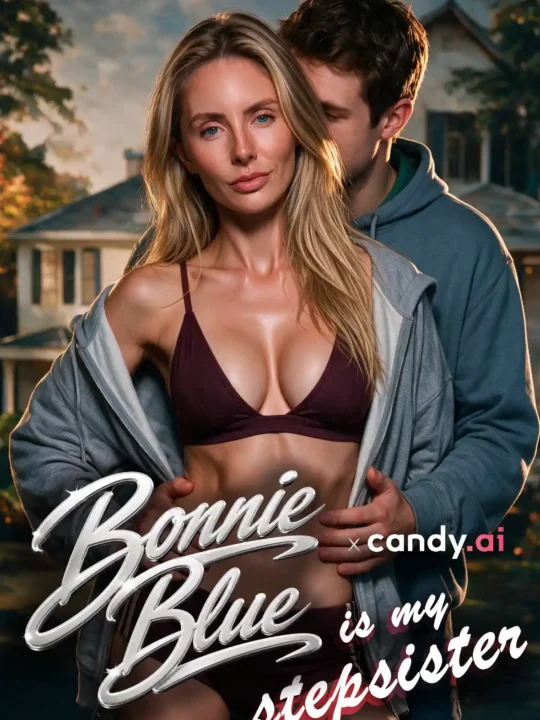
This is also why the question keeps being typed into a search box. The free half does not match the expectation the cover art sets, and people go looking for an explanation.
What the paid half is
Explicit adult content, without qualification. From the third episode a series shows what it has been circling, and continues for the rest of the run.
How far it goes is the thing that varies, and it varies more than the catalogue lets on. The labels on the tiles do not predict it: eighteen titles carry the same one and land on three different steps of our scale. That is why each series page here carries a number assigned after watching rather than inferred.
On a five-episode title, three of the five are the paid half. On the fifteen-episode one, thirteen of the fifteen are.
The word people mean, and the thing they are looking at
Nothing here was filmed. No camera recorded any of it, no performance took place, no set existed. Every frame is generated.
That matters to the question in a way it usually does not, because the ordinary meaning of the word assumes a recording of something that happened. Here nothing happened.
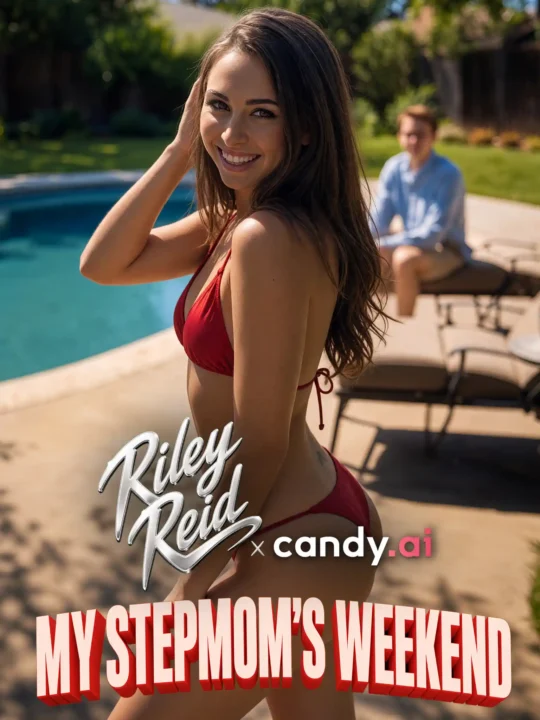
Six titles cut the other way. Four performers licensed their appearance for them, Riley Reid for three of the seven and Bonnie Blue for two, and each is named in the credit. In those a real woman consented and the video is still assembled, not recorded. A licensed face is neither footage nor the thing people fear when they hear synthetic and face in one breath. Across the other sixty-eight, nobody living is portrayed.
It does not respond to you
Worth stating, because the platform hosting it is known for something else. Candy Shorts is not a chat, not a prompt box and not steered by the viewer. The episodes play in order, the way any series plays.
Sixty-six of the seventy-five do hand you off to a character afterwards, one you can keep talking to. That is a separate product and it begins where the series ends. The series itself is a fixed sequence that runs the same way for everybody.
How much you see before choosing
Two episodes, always, and that is the full free sample. What it samples is another matter: two fifths of a five-episode series, an eighth of the fifteen-episode one.
So the honest version of the answer is this. You can watch the part that is not explicit, for nothing, and decide from it whether the story interests you. You cannot sample the part that is, and on the longest title you are deciding on an eighth of the run.
That is the arrangement. It is not hidden, but it is not spelled out either, and it is the reason this site counts episodes.
The short version
The free two episodes: adult in premise, not explicit, safe to watch on a train.
Episodes three onward: explicit adult content, generated, bought individually at twelve tokens each or thirty when a licensed performer is involved.
If somebody tells you the whole thing is one or the other, they have watched half of it.